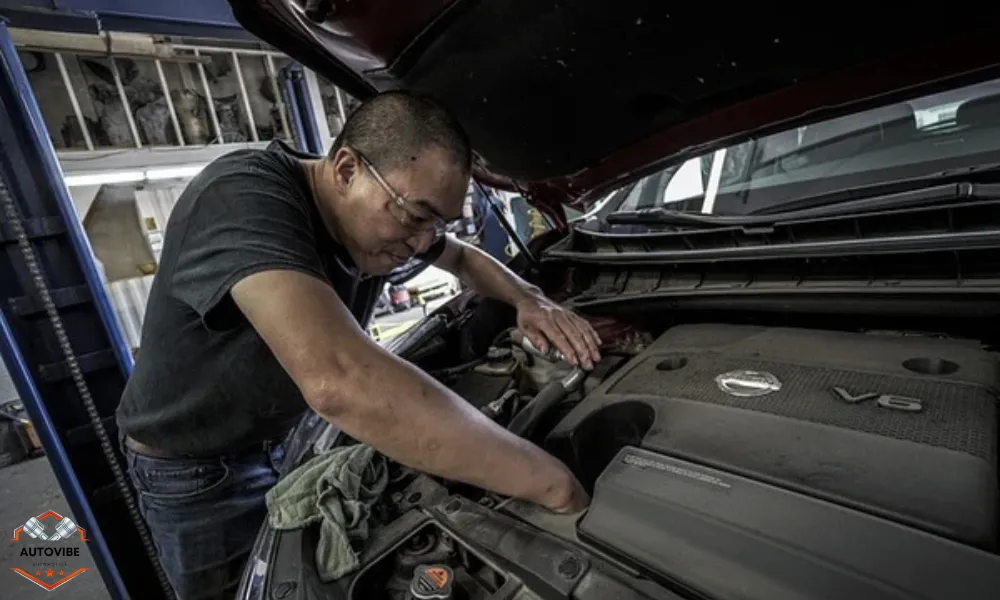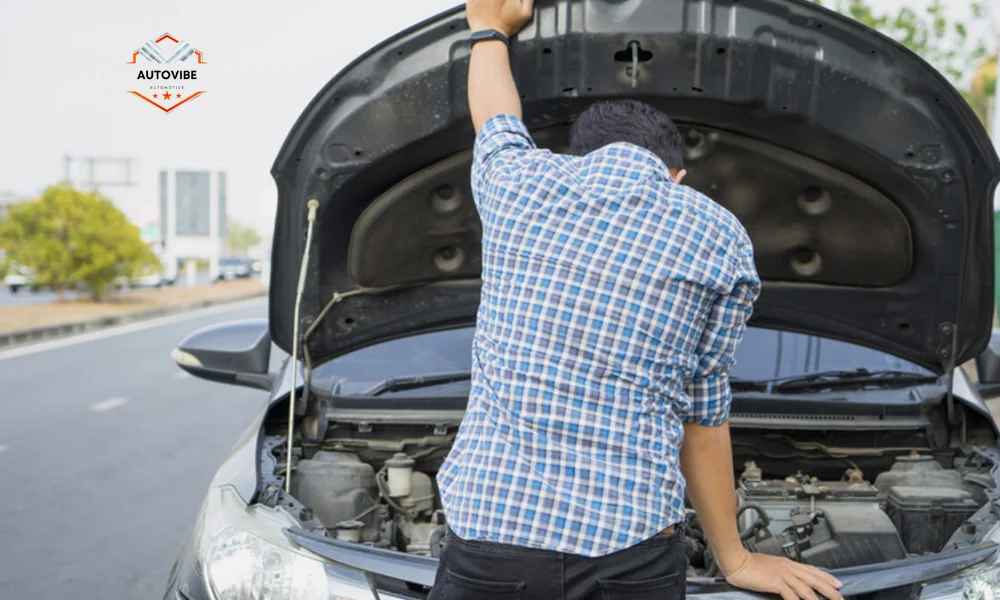




Taking care of your vehicle is not just about keeping it looking good on the outside. Regular car maintenance is essential to ensure that your vehicle runs smoothly, lasts longer, and retains its value. In this article, we will go over essential maintenance practices that will not only save you money on costly repairs but also improve your car’s performance and fuel efficiency.
Why Is Regular Car Maintenance Important?
Proper vehicle maintenance can prevent breakdowns, improve safety, and increase the lifespan of your car. Neglecting routine checks can lead to major issues down the road. Many car owners don’t realize that simple maintenance tasks like checking oil levels, tire pressure, and brake pads can make a significant difference in how their car performs over time. Furthermore, a well-maintained car often has a higher resale value, saving you money when it’s time to upgrade.
Essential Car Maintenance Tips for Longevity
1. Regular Oil Changes
One of the most crucial aspects of car care is regular oil changes. Oil lubricates the engine and ensures that all moving parts operate smoothly. Over time, the oil can break down and become contaminated, which can cause engine wear and tear. Most manufacturers recommend changing the oil every 5,000 to 7,500 miles, depending on your vehicle and the type of oil used.
Keeping up with your oil changes can significantly improve engine performance and extend the life of your car. Many newer vehicles even come with oil life monitors that alert you when it’s time for a change, making it easier than ever to stay on top of this essential maintenance task.
2. Check Your Tire Pressure
Under-inflated or over-inflated tires can lead to a range of problems, including poor fuel efficiency, uneven tire wear, and even blowouts on the highway. Checking your tire pressure regularly can prevent these issues and extend the life of your tires. Tires that are properly inflated can also improve fuel efficiency, saving you money at the pump.
Make it a habit to check your tire pressure at least once a month, and always before long trips. Most cars have a recommended tire pressure, which can be found in the owner’s manual or on the driver’s side door.
3. Replace Your Air Filters
Air filters play a critical role in keeping your engine clean and running efficiently. A clogged air filter can reduce airflow to the engine, causing it to work harder and use more fuel. Replacing your air filter is an easy and inexpensive way to improve your car’s fuel efficiency and prevent engine damage.
Most experts recommend changing the air filter every 12,000 to 15,000 miles, but this can vary depending on your driving conditions. If you drive in dusty or polluted areas, you may need to replace it more frequently.
4. Keep Your Battery in Check
A dead battery can leave you stranded, so it’s important to keep your car’s battery in good condition. Most batteries last between three to five years, but factors like weather and driving habits can affect their lifespan. Regularly checking your car battery and cleaning the terminals can prevent unexpected issues.
If your battery is more than three years old, have it tested annually to ensure it’s holding a proper charge. Also, make sure your battery terminals are clean and free of corrosion to maintain a strong connection.
5. Monitor Your Brake System
Your car’s brake system is one of its most critical safety features. Worn-out brake pads can lead to longer stopping distances and reduced safety, especially in emergencies. Checking your brake pads regularly and replacing them as needed is essential to maintaining both safety and vehicle performance.
Most brake pads need to be replaced every 20,000 to 50,000 miles, but this can vary based on driving conditions and habits. Listen for squeaking or grinding noises, as these are often signs that your brake pads are wearing out.
Prolonging Vehicle Performance
6. Regularly Rotate Your Tires
Tire rotation is key to extending the life of your tires and ensuring an even wear pattern. Uneven tire wear can lead to reduced traction and fuel efficiency, as well as higher maintenance costs down the road.
Rotating your tires every 6,000 to 8,000 miles is recommended to keep them in top condition. This will also help to maintain balanced handling and steering, improving overall car performance.
7. Inspect Your Belts and Hoses
Belts and hoses are often overlooked in routine vehicle maintenance, but they play a vital role in keeping your car running smoothly. Over time, belts can become cracked, and hoses can become brittle, leading to engine overheating or mechanical failure. Regularly inspect your belts and hoses for signs of wear and replace them as necessary.
Most belts need to be replaced every 60,000 to 100,000 miles, while hoses should be checked for leaks, cracks, or soft spots.
8. Keep Fluids Topped Off
Fluids are essential to keeping your car’s systems running properly. Aside from engine oil, you should also regularly check and top off other fluids, such as transmission fluid, brake fluid, power steering fluid, and coolant. Each of these fluids plays a critical role in vehicle performance, and keeping them at optimal levels will prevent costly repairs.
Refer to your car’s owner’s manual for recommendations on how often to check and change these fluids, as each vehicle has different requirements.
9. Replace Worn Wiper Blades
Wiper blades are essential for maintaining visibility in rainy or snowy weather. Over time, the rubber on the blades can deteriorate, leading to streaking or incomplete cleaning of the windshield. Replacing worn wiper blades is an inexpensive but crucial part of car maintenance that should not be overlooked.
Most wiper blades need to be replaced every six months to a year, depending on usage and weather conditions. Make sure to check them regularly, especially before the winter or rainy season.
10. Keep Your Car Clean and Waxed
While it may seem purely aesthetic, keeping your car clean and waxed can protect it from rust, corrosion, and paint damage. Regular washing removes dirt, grime, and chemicals from the road that can eat away at your car’s paint. Waxing, on the other hand, provides an extra layer of protection and keeps your car looking shiny.
It’s a good idea to wash your car every couple of weeks and apply wax every few months. This can prolong the life of your car’s exterior and improve its resale value in the future.
Conclusion
Maintaining your vehicle is essential for ensuring longevity and performance. By following these car maintenance tips, you can avoid costly repairs, improve fuel efficiency, and keep your car running smoothly for years to come. From oil changes and tire checks to inspecting belts and hoses, every small step you take will contribute to the overall health of your vehicle. Remember, a well-maintained car is not only safer but also more valuable over time.
Written by: Felipe Bueno