






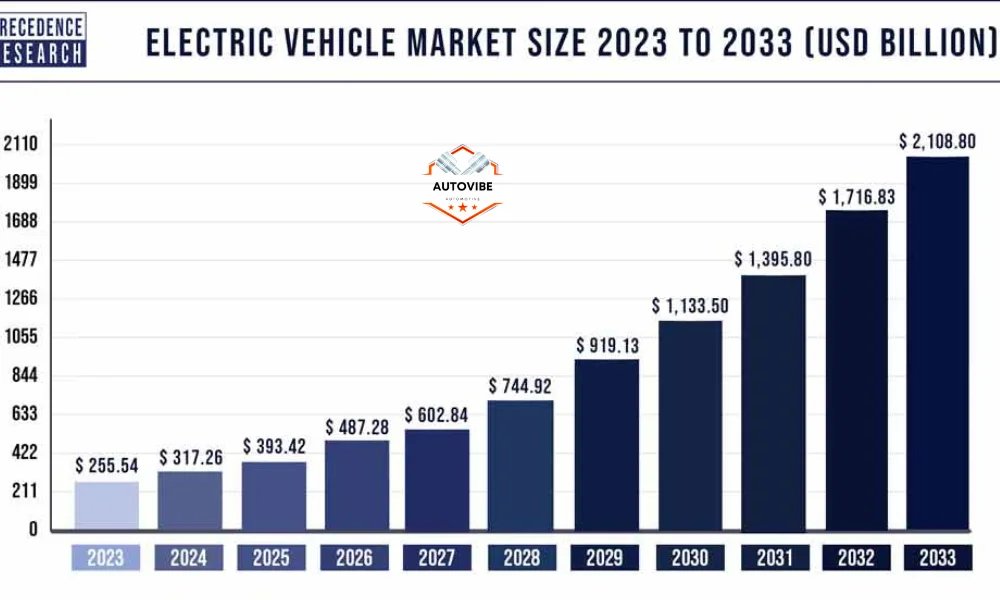
The automotive industry is undergoing a massive transformation, with electric vehicles (EVs) at the forefront of this change. As the world shifts towards more sustainable energy solutions, EVs are gaining popularity not only for their environmental benefits but also for the technological advancements they bring. In this article, we will explore the future of electric vehicles, the key trends to watch, and what we can expect from the electric car market in the coming years.
Why Are Electric Vehicles the Future?
Electric vehicles have emerged as a key player in the push for sustainable transportation. Governments, manufacturers, and consumers are all recognizing the need to reduce carbon emissions and move away from fossil fuels. As a result, EVs have become a practical and attractive alternative to traditional internal combustion engine (ICE) vehicles.
Several factors are driving the adoption of electric vehicles, including advancements in battery technology, government incentives, and growing awareness of the environmental impact of gasoline-powered cars. With a rising focus on climate change, the automotive industry is working to make EVs more accessible, affordable, and efficient, paving the way for mass adoption.
Key Trends Shaping the Future of Electric Vehicles
1. Improvements in Battery Technology
One of the most critical aspects of electric vehicles is their battery technology. The development of more efficient and affordable batteries is a major focus for manufacturers, as it directly affects the range, cost, and overall performance of EVs. Current efforts are geared towards increasing energy density, reducing charging times, and improving battery longevity.
Lithium-ion batteries are currently the most widely used in EVs, but researchers are exploring new materials and technologies, such as solid-state batteries. These next-generation batteries promise increased range, faster charging, and greater safety compared to traditional lithium-ion batteries. By 2025, we can expect to see more vehicles equipped with solid-state batteries, offering significant improvements in both performance and affordability.
2. Expansion of Charging Infrastructure
The availability of charging stations is crucial to the growth of the electric vehicle market. Without adequate charging infrastructure, potential EV owners may be hesitant to make the switch. To address this challenge, governments and private companies are investing heavily in expanding the network of charging stations, making it easier than ever to own and operate an electric vehicle.
Fast-charging technology is also making strides, with new stations capable of charging an EV to 80% capacity in just 20 to 30 minutes. The expansion of charging networks, combined with improvements in charging speed, will help eliminate «range anxiety» and make EVs a more convenient option for long-distance travel.
3. Increased Government Support and Incentives
Governments around the world are recognizing the importance of transitioning to electric vehicles as part of their broader climate goals. To encourage the adoption of EVs, many countries are offering incentives such as tax credits, rebates, and subsidies. These incentives are designed to offset the higher upfront cost of electric cars, making them more affordable for consumers.
In addition to financial incentives, governments are also implementing policies to phase out internal combustion engine vehicles. For example, several countries have announced plans to ban the sale of new gasoline and diesel cars by 2030 or 2035. These initiatives are accelerating the shift towards electric vehicles and helping to create a more sustainable future for transportation.
4. Advances in Autonomous Driving
Another key trend in the future of electric vehicles is the development of autonomous driving technology. Many EV manufacturers, including Tesla, are leading the way in creating vehicles with advanced driver-assistance features. The combination of electric powertrains and self-driving capabilities is expected to revolutionize the way we think about personal transportation.
Autonomous vehicles (AVs) are expected to reduce traffic congestion, lower accident rates, and improve overall fuel efficiency by optimizing driving patterns. Many industry experts predict that by 2030, we will see fully autonomous electric vehicles on the roads, transforming the automotive landscape.
5. Integration of Renewable Energy
The future of electric vehicles is closely tied to the growth of renewable energy sources. As the demand for EVs increases, so does the need for clean energy to power them. Solar, wind, and hydropower are being integrated into the grid to ensure that the electricity used to charge EVs is as sustainable as possible.
Additionally, many EV owners are exploring the use of solar panels for home charging. By generating their own electricity, they can reduce their reliance on the grid and further lower their carbon footprint. This trend is expected to grow in the coming years, as more people look for ways to align their transportation choices with their environmental values.
6. Growth of Electric Commercial Vehicles
While much of the focus on electric vehicles has been on passenger cars, the commercial vehicle sector is also seeing significant growth. Electric trucks and electric buses are becoming increasingly popular as companies look to reduce operating costs and meet stricter emissions regulations.
Electric delivery vehicles, in particular, are expected to see rapid adoption, especially with the rise of e-commerce. Companies like Amazon and UPS are already investing heavily in electric fleets to lower their carbon emissions and improve efficiency. By 2025, we can expect to see a significant increase in the number of electric commercial vehicles on the road.
7. Innovations in Vehicle-to-Grid (V2G) Technology
Another exciting development in the world of electric vehicles is the growth of vehicle-to-grid (V2G) technology. This technology allows EVs to not only draw power from the grid but also return excess energy back to it. In essence, electric vehicles can serve as mobile energy storage units, helping to stabilize the grid and provide power during peak demand periods.
As more EVs are integrated into the grid, V2G technology could play a crucial role in enhancing energy resilience and supporting the transition to renewable energy sources. This concept is still in its early stages, but it holds great promise for the future of both electric vehicles and energy management.
Challenges Facing the Electric Vehicle Industry
1. High Upfront Costs
One of the biggest challenges facing the electric vehicle industry is the higher upfront cost compared to traditional gasoline-powered cars. Although prices have been decreasing in recent years, EVs still tend to be more expensive due to the cost of battery technology. However, as battery prices continue to fall and government incentives remain in place, the cost gap is expected to close in the coming years.
2. Limited Range and Charging Time
While improvements in battery technology are helping to extend the range of electric vehicles, «range anxiety» remains a concern for many potential buyers. The fear of running out of charge before reaching a destination can deter some people from making the switch to an EV. However, with the expansion of the charging infrastructure and the development of faster charging solutions, these concerns are likely to diminish over time.
3. Supply Chain Constraints
The global supply chain for electric vehicle components, particularly batteries, faces significant challenges. The availability of raw materials such as lithium, cobalt, and nickel is critical to the production of EV batteries. Any disruptions in the supply of these materials can impact the overall production of electric vehicles. Manufacturers are actively seeking ways to secure a stable supply chain and explore alternative materials to reduce dependency on rare earth metals.
Conclusion
The future of electric vehicles is bright, with exciting innovations and trends set to shape the automotive industry in the coming years. From advancements in battery technology and autonomous driving to the growth of renewable energy integration, the electric vehicle market is poised for significant growth. While challenges remain, the global push for sustainable transportation and the continued investment in infrastructure and technology will ensure that electric vehicles become a dominant force in the automotive world by 2025 and beyond.
Written by: Felipe Bueno