


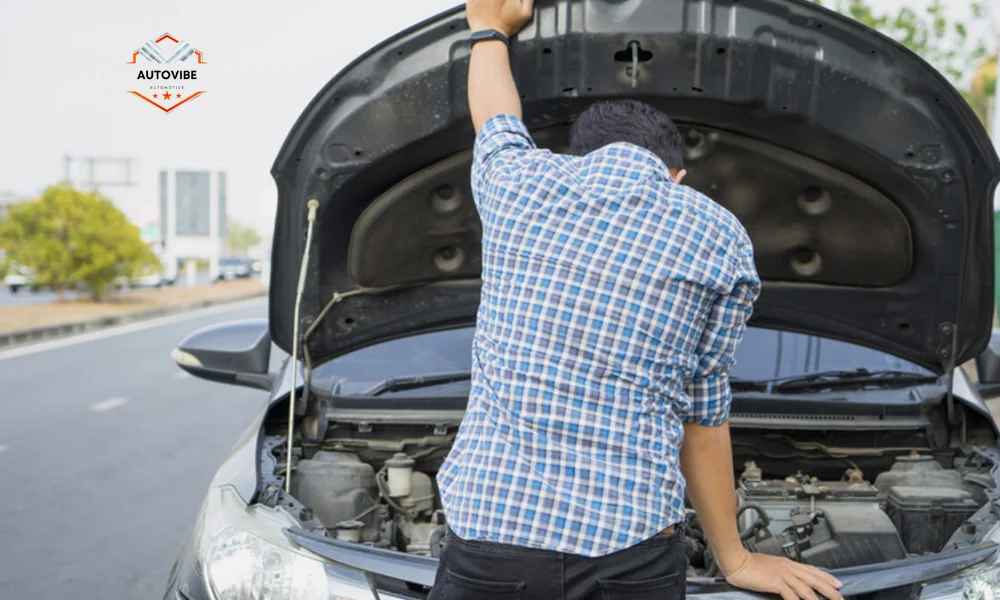
Owning a car means dealing with occasional issues that can range from minor inconveniences to major problems. Fortunately, many of these common car problems can be fixed easily with a little knowledge and effort. In this guide, we’ll walk through five of the most frequent car issues drivers encounter, how to troubleshoot them, and whether you can tackle the repairs yourself or need to see a mechanic. Armed with this information, you’ll be better prepared to keep your vehicle in good working order and avoid costly repairs down the road.
Dead Battery
A dead or dying battery is one of the most common car problems that drivers face, especially during colder months when the battery works harder to start the engine. A dead battery can leave you stranded, but fortunately, this issue is often easy to fix.
Symptoms
The most obvious sign of a dead battery is when the car won’t start, and you hear a clicking sound instead of the engine turning over. You may also notice dim headlights, flickering dashboard lights, or difficulty with electrical systems like power windows or the radio.
How to Fix It
Jump-starting the car is a quick fix for a dead battery. You’ll need a set of jumper cables and another vehicle with a working battery. Once the car is started, it’s a good idea to drive for at least 15-20 minutes to recharge the battery. However, if the battery continues to die or is over three years old, it may need to be replaced. Many auto parts stores will test your battery for free to determine if it’s time for a new one.
Flat Tire
A flat tire can happen at the most inconvenient times, but it’s a problem that can be easily fixed if you’re prepared. Knowing how to change a tire and having the right tools in your car can save you from waiting for roadside assistance.
Symptoms
A flat tire is often obvious – you’ll notice your car leaning to one side, difficulty steering, or a flapping noise as you drive. In some cases, the tire may be punctured but not completely flat, in which case the tire pressure warning light on your dashboard may alert you to the issue.
How to Fix It
If you have a spare tire, jack, and lug wrench in your car, you can change the flat tire yourself. First, loosen the lug nuts, then use the jack to lift the car off the ground. Remove the flat tire and replace it with the spare, then tighten the lug nuts securely. It’s important to drive on a spare tire only temporarily and replace it with a full-size tire as soon as possible. If you don’t feel comfortable changing the tire yourself or don’t have a spare, roadside assistance or a mobile tire service can help.
Check Engine Light
Few things are as alarming as seeing the check engine light come on while you’re driving. This warning light can indicate a wide range of issues, from something as simple as a loose gas cap to more serious engine problems.
Symptoms
The check engine light is a dashboard warning that can appear without any other immediate symptoms. However, in some cases, you may also notice poor performance, strange noises, or reduced fuel efficiency. It’s important not to ignore the light, as even minor issues can lead to bigger problems if left unresolved.
How to Fix It
The first thing to do when the check engine light comes on is to check the gas cap, as a loose cap can cause the light to illuminate. If the gas cap is secure and the light remains on, you’ll need a diagnostic tool, like an OBD-II scanner, to read the error code and determine the cause. Many auto parts stores will scan your car for free and help interpret the code. Depending on the issue, you may be able to fix it yourself, or it may require a mechanic’s expertise.
Brake Issues
Your car’s brakes are one of its most important safety features, so it’s crucial to address any issues immediately. Problems with the brakes can be caused by a variety of factors, from worn brake pads to air in the brake lines.
Symptoms
Common signs of brake problems include squeaking or grinding noises, a soft or spongy brake pedal, vibrations when braking, or the car pulling to one side when stopping. These symptoms can indicate worn brake pads, warped rotors, or other issues within the braking system.
How to Fix It
If your brake pads are worn, you’ll need to replace them. This is a job that some drivers can handle themselves with the right tools, but it’s important to follow the manufacturer’s specifications for your vehicle. If you notice any more serious symptoms, such as a soft brake pedal or vibrations, it’s best to take your car to a mechanic. Neglecting brake issues can compromise your safety on the road.
Overheating Engine
An overheating engine is a problem that can lead to serious damage if not addressed quickly. It’s important to keep an eye on your car’s temperature gauge and take action if you notice the engine overheating.
Symptoms
The most obvious sign of an overheating engine is when the temperature gauge on your dashboard rises into the red zone. You may also see steam coming from under the hood, or notice a burning smell. In some cases, the car may start to lose power or shut down altogether.
How to Fix It
If your engine starts to overheat, pull over immediately and turn off the engine. Let the car cool down before opening the hood to avoid burns. Check the coolant level and add more if it’s low. If the coolant level is fine but the engine continues to overheat, there could be a problem with the radiator, thermostat, or water pump. In this case, it’s best to have a mechanic inspect the vehicle. Driving with an overheating engine can cause serious damage, including a blown head gasket or warped cylinder heads.
When to See a Mechanic
While many car problems can be fixed with DIY methods, it’s important to know when to see a professional mechanic. If you’re unsure about how to handle a repair or if the problem seems serious, it’s always better to err on the side of caution. Regular maintenance and professional inspections can also help prevent major issues from developing in the first place.
Taking care of common car problems as soon as they arise will keep your vehicle in good condition and help you avoid costly repairs down the road. By understanding the signs of common issues and knowing how to fix them, you’ll be better equipped to keep your car running smoothly and safely.
Written by: Felipe Bueno