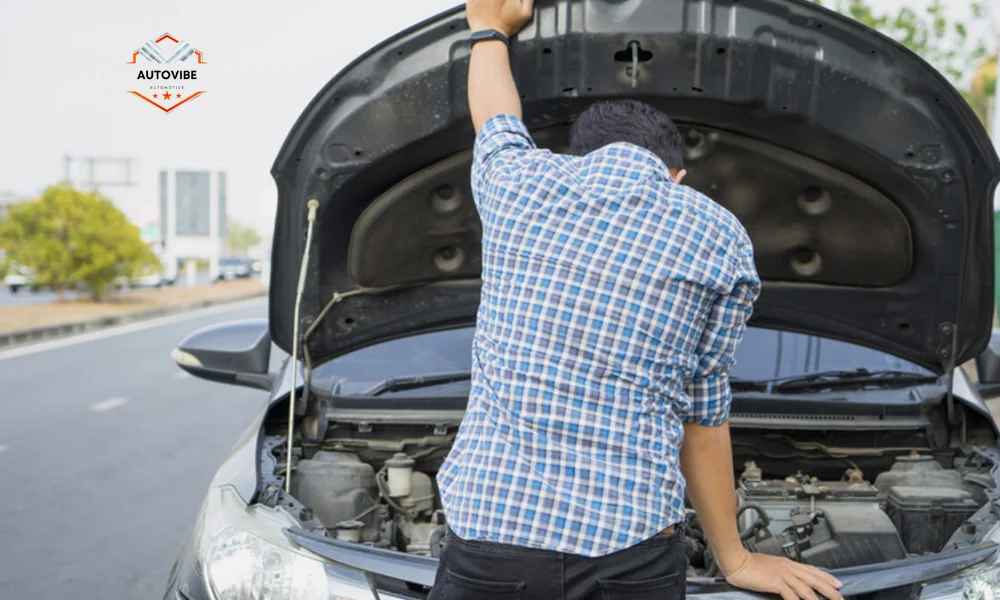




Keeping your car in good condition can be expensive, especially when unexpected repairs come up. However, with a little know-how and some practical advice, you can significantly reduce the cost of car repairs and keep your vehicle running smoothly. In this guide, we’ll explore some of the best ways to save money on car repairs, with expert insights from professional mechanics. Whether you’re looking for DIY solutions or tips on finding affordable services, this article will help you cut costs without sacrificing quality.
Perform Regular Maintenance to Avoid Costly Repairs
One of the simplest ways to avoid expensive repairs is by keeping up with routine car maintenance. Neglecting basic maintenance tasks can lead to more significant problems down the road, resulting in higher repair bills. Here are some key maintenance tasks that can help you prevent costly repairs and prolong the life of your vehicle.
Oil Changes
Regular oil changes are essential for keeping your engine running smoothly. Oil lubricates the engine’s moving parts, reduces friction, and helps prevent overheating. If you go too long without changing the oil, it can become dirty and cause engine damage. Most manufacturers recommend changing the oil every 5,000 to 7,500 miles, depending on the type of oil and driving conditions. Staying on top of oil changes can save you from much more expensive engine repairs down the line.
Tire Maintenance
Keeping your tires properly inflated and rotated is another simple way to save money on car maintenance. Under-inflated or over-inflated tires can wear unevenly, leading to premature tire replacement. Additionally, worn or unbalanced tires can affect your car’s fuel efficiency and handling. Regularly check your tire pressure, rotate the tires every 6,000 to 8,000 miles, and replace them when the tread wears down. Investing in proper tire maintenance will extend the life of your tires and improve your car’s overall performance.
Brake Checks
Your car’s brakes are critical for safety, and regular inspections can help you avoid costly repairs. Worn brake pads can damage the rotors, leading to more expensive repairs if left unchecked. Listen for squeaking or grinding noises when braking, and have your brake pads inspected regularly to catch wear early. Replacing brake pads is far less expensive than replacing the entire braking system.
Learn to Handle Basic DIY Repairs
Many car repairs can be handled on your own, saving you a significant amount of money on labor costs. With the right tools and a little bit of research, you can tackle some common repairs at home. Here are a few basic DIY car repairs that most drivers can handle themselves.
Replacing Air Filters
Your car’s air filter helps keep dust and debris out of the engine. A clogged air filter can reduce your car’s performance and fuel efficiency. Replacing the air filter is one of the easiest DIY repairs, and it typically only takes a few minutes. Most filters are located under the hood, and no special tools are required. By replacing the air filter yourself, you can save the cost of labor at a shop and improve your car’s performance.
Changing Windshield Wipers
If your windshield wipers are leaving streaks or struggling to clear the glass, it’s time to replace them. Changing windshield wipers is a simple task that requires no tools and can be done in minutes. Wiper blades should be replaced every six months to a year, depending on weather conditions. By handling this repair yourself, you’ll save the cost of labor and ensure better visibility in bad weather.
Replacing Headlights and Taillights
Replacing a burned-out headlight or taillight is another easy DIY repair that can save you money. Most cars make it relatively simple to access and replace the bulbs, and you can find replacement bulbs at any auto parts store. Installing new bulbs yourself can save you from paying labor costs at a repair shop, and it also helps you avoid potential tickets for driving with a faulty light.
Shop Around for Affordable Parts and Services
If your car needs more extensive repairs, it’s important to shop around for affordable parts and services. Prices for car repairs can vary significantly between different shops, and finding the best deal requires a bit of research. Here are some tips for getting the most value for your money when it comes to parts and labor.
Compare Quotes from Multiple Mechanics
When your car needs repairs, it’s always a good idea to get quotes from multiple mechanics before deciding on a service provider. Car repair costs can vary depending on the shop, location, and the complexity of the job. By comparing quotes, you can ensure that you’re getting a fair price for the work. Be sure to ask for a detailed breakdown of the costs, including parts and labor, so you can accurately compare the estimates.
Consider Aftermarket Parts
While OEM (Original Equipment Manufacturer) parts are made by the car’s manufacturer, aftermarket parts are often less expensive and can be just as reliable. Many mechanics offer aftermarket parts as an option, and these can help you save money without compromising quality. However, it’s important to choose high-quality aftermarket parts from reputable brands to ensure that they meet your vehicle’s specifications.
Look for Discounts and Coupons
Many repair shops offer discounts or coupons for services, especially during slower business periods. Check online for promotions or call your local shop to ask if they have any ongoing deals. Some shops also offer discounts for first-time customers or loyalty programs for regular clients. Taking advantage of these offers can help you save on labor and parts.
Preventative Measures to Avoid Major Repairs
Preventing major repairs is one of the best ways to save money on car maintenance. By taking care of your vehicle and addressing minor issues before they escalate, you can avoid costly repairs. Here are some preventative measures that will keep your car in good condition and help you avoid breakdowns.
Pay Attention to Warning Lights
Modern cars are equipped with a variety of warning lights that alert you to potential issues, such as low oil pressure, overheating, or problems with the braking system. Ignoring these warnings can lead to more significant damage and higher repair costs. If a warning light comes on, it’s important to address the issue as soon as possible. Many issues can be resolved easily if caught early, saving you from more expensive repairs down the line.
Keep Fluids Topped Off
Your car relies on several fluids to operate smoothly, including oil, transmission fluid, coolant, and brake fluid. Low fluid levels can lead to engine damage, overheating, or brake failure. Regularly checking and topping off these fluids will help you avoid major repairs. Most fluids can be checked with a dipstick or by inspecting the fluid reservoirs under the hood. If you notice any leaks or low levels, it’s important to address the issue immediately.
Address Small Problems Early
If you notice unusual noises, smells, or vibrations while driving, don’t ignore them. These could be early signs of more significant problems, such as worn-out belts, faulty sensors, or transmission issues. By addressing these small problems early, you can prevent more extensive (and expensive) repairs. Regular inspections by a mechanic can also help catch potential issues before they become serious.
Build a Relationship with a Trusted Mechanic
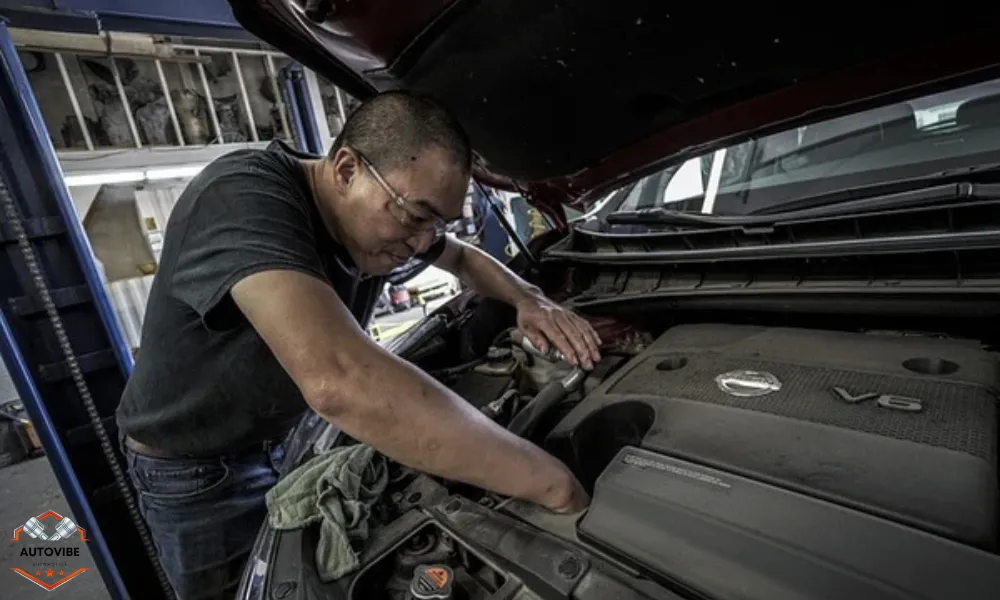
Having a reliable mechanic you trust can save you both time and money in the long run. A trusted mechanic will provide honest advice, recommend necessary repairs, and help you avoid unnecessary services. Building a relationship with a mechanic means that they’ll get to know your car and can offer more personalized recommendations for keeping it in top condition.
Find a Mechanic with Good Reviews
When looking for a new mechanic, take the time to read online reviews and ask for recommendations from friends and family. A shop with a good reputation is more likely to provide quality service at a fair price. Look for mechanics who are known for their honesty, transparency, and professionalism.
Stick with the Same Mechanic for Routine Maintenance
Once you’ve found a mechanic you trust, stick with them for routine maintenance tasks like oil changes, brake inspections, and tire rotations. By regularly visiting the same shop, your mechanic will become familiar with your vehicle and its history, allowing them to spot potential issues early. This consistency can help you avoid surprises and ensure that your car receives the care it needs.
Conclusion
Maintaining your car doesn’t have to break the bank. By following these tips and keeping up with regular maintenance, you can significantly save money on car repairs and avoid costly breakdowns. From handling basic DIY repairs to shopping around for affordable services, there are plenty of ways to cut costs while ensuring that your vehicle remains in good condition. With a little effort and attention, you can keep your car running smoothly and reduce the overall cost of ownership.
Written by: Felipe Bueno