






As concerns over climate change and fossil fuel dependency grow, the shift towards electric vehicles (EVs) is becoming more pronounced. This article delves into the evolution of electric vehicles, their advantages, the challenges they face, and the future of transportation in a world increasingly reliant on sustainable practices. Understanding the role of EVs in reducing carbon footprints and enhancing energy efficiency is crucial as we navigate the complexities of modern transportation.
The Evolution of Electric Vehicles
The journey of electric vehicles began in the 19th century with early models powered by electricity. However, the advent of the gasoline engine led to a decline in the popularity of EVs. It wasn’t until the late 20th century that electric vehicles began to resurface, driven by technological advancements and growing environmental awareness. Today, the EV market is experiencing exponential growth, with many manufacturers investing heavily in developing innovative models.
1. Historical Background
In the early 1900s, electric vehicles were quite popular, even outpacing gasoline cars in sales. However, the discovery of cheap oil and the introduction of mass production techniques by Henry Ford made gasoline-powered vehicles more accessible and affordable. This shift led to the decline of EVs until environmental concerns in the 1970s prompted renewed interest. The introduction of the first modern EVs in the late 1990s, such as the General Motors EV1, marked a turning point in the industry.
2. Recent Developments
In recent years, the landscape of electric vehicles has dramatically changed. Major automotive manufacturers, including Tesla, Nissan, and Chevrolet, have introduced a wide range of EV models, making them more accessible to consumers. The combination of advanced battery technology, improved charging infrastructure, and government incentives has spurred interest in electric mobility.
The Advantages of Electric Vehicles
The transition to electric vehicles offers numerous benefits, making them an appealing choice for consumers and governments alike:
1. Environmental Benefits
One of the most significant advantages of electric vehicles is their reduced environmental impact. Unlike traditional gasoline-powered cars, EVs produce zero tailpipe emissions, which contributes to improved air quality. By using renewable energy sources for charging, the overall carbon footprint of electric vehicles can be significantly reduced. As cities grapple with pollution and climate change, EVs present a viable solution.
2. Economic Savings
While the initial cost of electric vehicles can be higher than that of traditional cars, the long-term savings can be substantial. EVs have lower operating costs, primarily due to lower fuel expenses and reduced maintenance requirements. Electric motors are generally more efficient than internal combustion engines, and the cost of electricity for charging is typically lower than gasoline. Additionally, many governments offer incentives, such as tax credits and rebates, to encourage EV adoption.
3. Enhanced Performance
Electric vehicles often provide superior performance compared to their gasoline counterparts. The instant torque provided by electric motors allows for rapid acceleration, making EVs an exhilarating driving experience. Moreover, the lower center of gravity due to battery placement improves handling and stability on the road, offering a more enjoyable ride.
4. Energy Independence
Transitioning to electric vehicles can contribute to energy independence for nations. By reducing reliance on imported oil, countries can enhance their energy security and promote the use of domestic energy sources, including renewable energy. This shift not only supports national economies but also mitigates the geopolitical risks associated with oil dependency.
Challenges Facing Electric Vehicles
electric vehicles face several challenges that must be addressed to ensure widespread adoption:
1. Charging Infrastructure
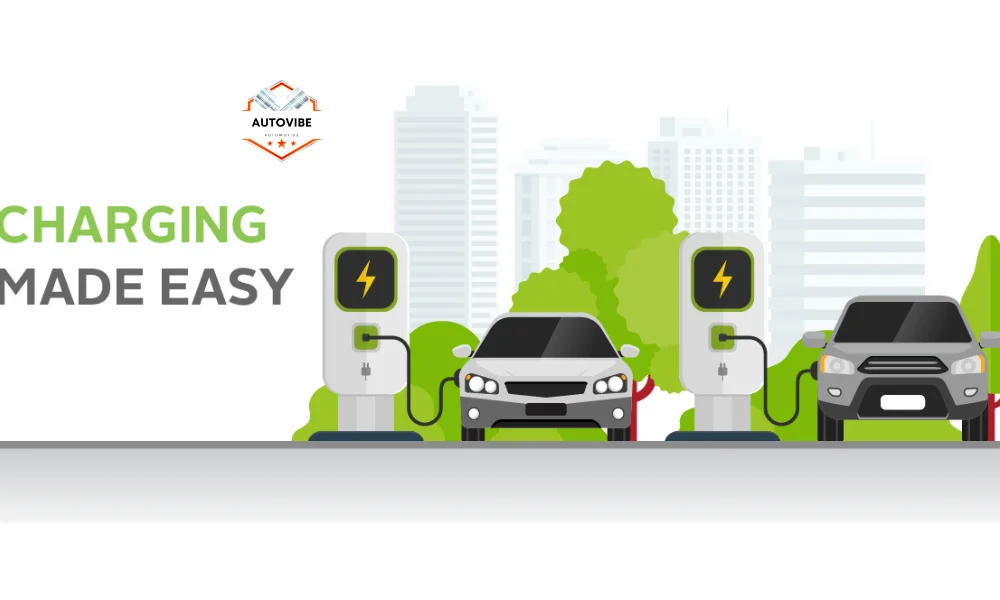
The availability of charging stations is a critical factor in the success of electric vehicles. While the number of charging stations is increasing, it still lags behind the growing number of EVs on the road. The development of a robust and accessible charging infrastructure is essential for alleviating range anxiety and encouraging consumers to make the switch to electric. Governments and private sectors are investing in expanding charging networks to support this transition.
2. Range Anxiety
Range anxiety is the fear of running out of battery power before reaching a charging station. Although many modern electric vehicles offer impressive ranges on a single charge, consumers are still concerned about their ability to travel long distances without access to charging facilities. Continued advancements in battery technology will be essential in addressing this concern and enhancing consumer confidence in EVs.
3. Battery Technology
The performance and longevity of electric vehicles heavily depend on battery technology. Current lithium-ion batteries present limitations regarding range, charging time, and overall lifespan. Researchers are exploring alternative battery chemistries, such as solid-state batteries, which promise to offer higher energy density, faster charging times, and improved safety. The evolution of battery technology will play a crucial role in shaping the future of EVs.
4. Environmental Concerns
While electric vehicles reduce emissions during operation, the production and disposal of EV batteries raise environmental concerns. Mining for raw materials, such as lithium, cobalt, and nickel, can have detrimental effects on ecosystems and communities. As the demand for electric vehicles continues to grow, developing sustainable practices for battery production and recycling will be imperative to minimize their environmental impact.
The Future of Electric Vehicles
The future of electric vehicles is promising, with several trends shaping their development:
1. Advancements in Battery Technology
Continuous research and development in battery technology are crucial for enhancing the performance of electric vehicles. Innovations, such as solid-state batteries and improvements in lithium-ion technology, aim to increase energy density, reduce charging times, and enhance battery longevity. These advancements will address many current challenges associated with EVs and make them more appealing to consumers.
2. Growth of Autonomous Driving
The rise of autonomous driving technology will have a significant impact on the electric vehicle market. Many automakers are integrating autonomous features into their EVs, which can enhance safety and convenience. As the technology matures, fully autonomous electric vehicles could transform urban transportation, reduce traffic congestion, and lower emissions even further.
3. Government Policies and Incentives
Government support will continue to play a vital role in the growth of electric vehicles. Policies promoting the adoption of EVs, such as subsidies, tax incentives, and investment in charging infrastructure, will drive demand. As nations commit to reducing greenhouse gas emissions, the focus on transitioning to electric mobility will become more pronounced.
4. Expansion of EV Models
As consumer interest in electric vehicles grows, automakers are responding by expanding their offerings. From compact cars to SUVs and trucks, the variety of EV models available is increasing. This diversification caters to a broader audience and allows consumers to find electric options that suit their preferences and needs.
Conclusion
The transition to electric vehicles represents a significant step towards a more sustainable and environmentally friendly future. With numerous benefits, including reduced emissions, economic savings, and enhanced performance, EVs are poised to revolutionize transportation. However, addressing the challenges of charging infrastructure, battery technology, and environmental concerns is essential for realizing the full potential of electric vehicles. As advancements continue and consumer awareness grows, the future of transportation looks increasingly electric, paving the way for a cleaner, greener world.
Written by: Felipe Bueno