





Choosing the right tires for your car is one of the most important decisions you’ll make for both safety and performance. Tires are the only part of your vehicle that make contact with the road, meaning they play a critical role in handling, braking, and overall driving experience. In this guide, we’ll break down everything you need to know about selecting the best tires for your car, ensuring you make an informed decision that enhances both your vehicle’s longevity and your safety.
Why Selecting the Right Tires Matters
Tires impact a variety of factors, including fuel efficiency, braking distance, and driving comfort. Incorrect tire selection can result in poor performance, increased wear and tear, and even safety hazards. With so many types of tires on the market, understanding how to choose the right one is essential for optimizing your car’s performance and extending its lifespan.
Different tires are designed for specific conditions and driving styles, so understanding your vehicle’s requirements is the first step in choosing the best option. Whether you drive a sedan, an SUV, or a performance vehicle, the right tires can make a world of difference.
Types of Tires and Their Uses
All-Season Tires
All-season tires are the most common type of tire on the market. They are designed to provide a balance of performance in a wide range of conditions, including wet, dry, and light snow. While they are versatile, they may not perform as well as specialized tires in extreme conditions, such as heavy snow or very hot climates. If you live in an area with mild weather year-round, all-season tires may be the ideal choice.
Summer Tires
Summer tires are optimized for warm weather and provide excellent performance on dry and wet roads. These tires are designed with a softer rubber compound that enhances traction and handling. However, they are not suitable for cold weather or snowy conditions, as the rubber hardens in low temperatures, reducing their grip on the road. Summer tires are an excellent choice for performance vehicles or drivers who prioritize handling and responsiveness during the warmer months.
Winter Tires
If you live in a region that experiences harsh winter conditions, winter tires are essential for safe driving. These tires are designed with deeper treads and a rubber compound that remains flexible in cold temperatures, providing better traction on snow and ice. Winter tires can significantly reduce braking distances in icy conditions and improve overall handling. It’s important to switch to winter tires during the colder months if you live in an area with frequent snow or icy roads.
Performance Tires
Performance tires are designed for drivers who prioritize handling, speed, and responsiveness. These tires provide excellent traction and stability at higher speeds, making them a popular choice for sports cars and high-performance vehicles. Performance tires typically have a shorter tread life and may not offer the same comfort or fuel efficiency as all-season or touring tires, but they deliver superior driving performance for enthusiasts.
Touring Tires
Touring tires are designed for long-distance driving and provide a smooth, quiet ride. These tires prioritize comfort and durability, making them an excellent choice for drivers who spend a lot of time on the highway. Touring tires offer better handling than all-season tires but may not perform as well in extreme conditions. If you’re looking for a balance of comfort and performance, touring tires are a solid option.
Factors to Consider When Choosing Tires
Tire Size
One of the most important factors to consider when selecting tires is the size. Using the wrong tire size can negatively affect your vehicle’s handling and safety. The correct tire size for your car can be found in the owner’s manual or on the sticker located on the driver’s side door frame.
Tire size is expressed as a combination of numbers and letters, such as 225/50R17. This represents the tire width, aspect ratio, and diameter, respectively. Ensuring that you choose the right size will improve performance and maintain the manufacturer’s recommended specifications for your vehicle.
Tread Pattern
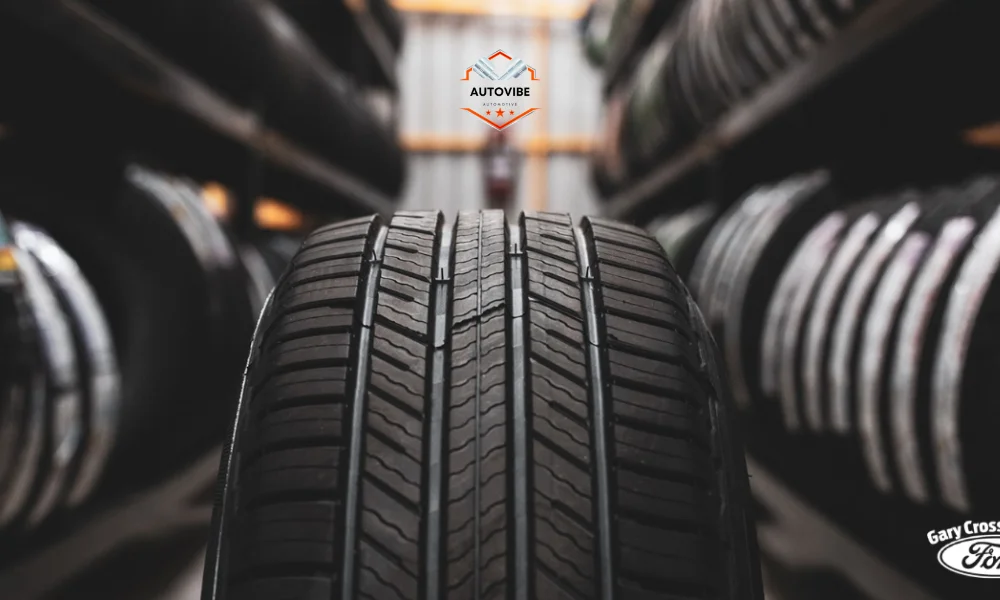
Tread pattern plays a crucial role in how your tires perform under different conditions. Tires with deeper treads provide better traction on wet or snowy roads, while tires with shallower treads offer more contact with dry pavement, improving handling and fuel efficiency.
The three main types of tread patterns are symmetrical, asymmetrical, and directional. Symmetrical treads are the most common and provide a balance of performance and durability. Asymmetrical treads offer better traction on wet roads, while directional treads are designed for performance vehicles and provide excellent handling in dry conditions. Understanding your driving environment will help you choose the right tread pattern for your needs.
Driving Conditions
Your local driving conditions should heavily influence your tire selection. If you frequently drive in wet or snowy conditions, opt for tires that are designed to handle those elements, such as winter tires or all-season tires with deeper treads. If you live in a hot climate, summer tires or performance tires may be a better fit for improving handling and traction on dry roads.
Additionally, consider whether you do more highway driving or city driving, as this can also impact the type of tire that’s best suited for your vehicle. Highway drivers may prefer touring tires for comfort, while city drivers may opt for all-season tires for their versatility.
Durability and Tread Life
The durability of your tires is an important factor to consider when making your selection. Some tires are designed to last longer than others, depending on the materials used and their intended purpose. Tires with a longer tread life will save you money in the long run, as they won’t need to be replaced as frequently.
Many manufacturers include a tread life warranty, which can give you a good indication of how long you can expect the tires to last under normal driving conditions. However, keep in mind that aggressive driving, poor road conditions, and lack of regular maintenance can reduce the lifespan of your tires.
Fuel Efficiency
Did you know that your tires can affect your vehicle’s fuel efficiency? Choosing the right tires can help you save money at the pump. Tires with lower rolling resistance require less energy to move, which can improve fuel efficiency by up to 3%. While this may not seem like much, it can add up to significant savings over the life of the tire.
Look for tires that are labeled as fuel-efficient or have been specifically designed to reduce rolling resistance. These tires can help you get the most out of each tank of gas while also providing a comfortable and safe ride.
Maintaining Your Tires for Longevity
Regular Tire Rotations
To ensure that your tires wear evenly, it’s important to have them rotated regularly. Most manufacturers recommend rotating your tires every 5,000 to 7,500 miles. Tire rotation helps to distribute the wear more evenly across all four tires, extending their lifespan and improving overall performance.
Proper Inflation
Maintaining the correct tire pressure is essential for both performance and safety. Under-inflated or over-inflated tires can negatively affect handling, fuel efficiency, and tread wear. Be sure to check your tire pressure at least once a month and before long trips. The recommended pressure can be found in your vehicle’s owner manual or on the sticker inside the driver’s side door.
Wheel Alignment
Misaligned wheels can cause uneven tire wear and reduce your vehicle’s handling capabilities. If your car pulls to one side or the steering wheel is not centered, it may be time to have your alignment checked. Proper alignment ensures that your tires make even contact with the road, improving both safety and tire longevity.
Tread Depth Monitoring
Regularly checking the tread depth of your tires can help you identify when they need to be replaced. Tires with worn treads can lose their grip on the road, especially in wet or snowy conditions. The legal minimum tread depth is 2/32 of an inch, but it’s a good idea to replace your tires before they reach this point. You can check your tread depth using a simple penny test or a tread depth gauge.
Conclusion
Choosing the right tires for your car is essential for maintaining safety, improving performance, and maximizing fuel efficiency. Whether you’re selecting tires for all-season use, performance driving, or winter conditions, understanding the key factors that influence tire performance will help you make the best choice for your vehicle. Additionally, regular maintenance, such as tire rotations and pressure checks, will ensure that your tires last longer and continue to deliver optimal results. With the right tires, you can enhance your driving experience and enjoy a smoother, safer ride.
Written by: Felipe Bueno