






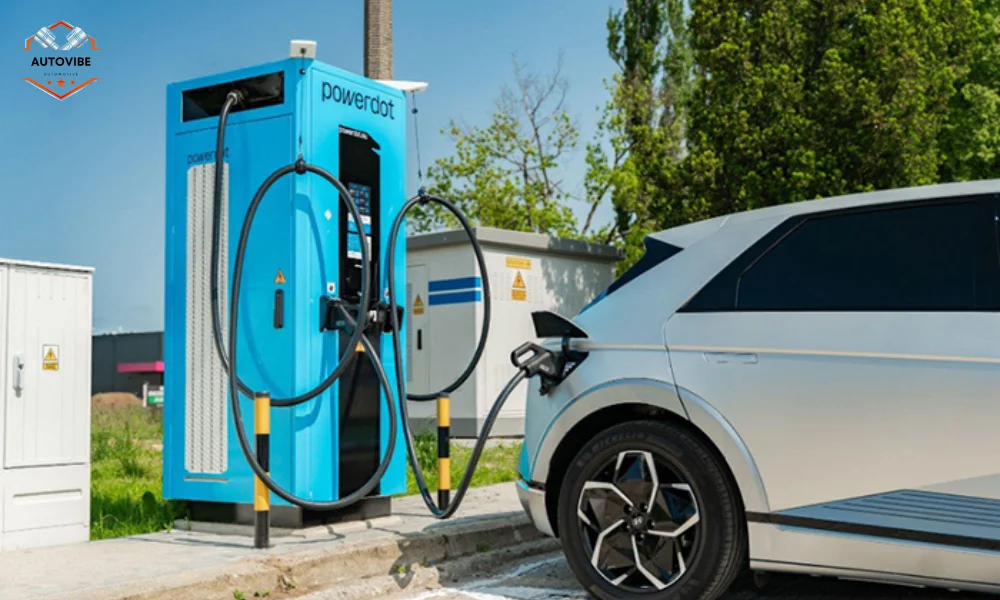
In recent years, the automotive industry has witnessed a remarkable shift towards electric vehicles (EVs). This transition is not merely a trend but a fundamental change in how we perceive transportation and environmental sustainability. With growing concerns about climate change and rising fuel prices, more consumers are considering electric cars as a viable alternative to traditional gasoline-powered vehicles. In this article, we will explore the factors driving the growth of electric vehicles, their benefits, challenges, and what the future holds for this transformative technology.
Understanding Electric Vehicles
Electric vehicles are powered entirely or partially by electricity instead of gasoline or diesel. They can be categorized into several types, including:
1. Battery Electric Vehicles (BEVs)
These vehicles run solely on electric power and rely on rechargeable batteries for energy. Battery electric vehicles produce zero tailpipe emissions, making them a popular choice for environmentally conscious consumers. Examples include the Tesla Model 3 and the Nissan Leaf.
2. Plug-in Hybrid Electric Vehicles (PHEVs)
Plug-in hybrid vehicles combine a conventional internal combustion engine with an electric motor. They can operate on electric power alone for a limited range before switching to gasoline. This dual approach provides flexibility and reduces dependency on fossil fuels. Examples include the Toyota Prius Prime and the Ford Fusion Energi.
3. Hybrid Electric Vehicles (HEVs)
Unlike PHEVs, hybrid electric vehicles do not need to be plugged in for charging. They utilize both a gasoline engine and an electric motor, which work together to optimize fuel efficiency. Examples include the regular Toyota Prius and the Honda Insight.
The Drivers of Electric Vehicle Adoption
The rapid adoption of electric vehicles can be attributed to various factors:
1. Environmental Concerns
As awareness of climate change grows, consumers are increasingly seeking sustainable transportation options. Electric vehicles produce zero tailpipe emissions, helping to reduce air pollution and greenhouse gas emissions. Many consumers see EVs as a way to contribute positively to the environment.
2. Technological Advancements
Technological advancements in battery technology, electric drivetrains, and charging infrastructure have made electric vehicles more accessible and convenient. Modern EV batteries offer longer ranges, faster charging times, and improved performance. Innovations like regenerative braking systems enhance energy efficiency, making electric cars more appealing to consumers.
3. Government Incentives and Regulations
Many governments worldwide are promoting the adoption of electric vehicles through various incentives, including tax credits, rebates, and grants for purchasing EVs. Additionally, stricter emissions regulations encourage automakers to develop and market more electric vehicles. These initiatives create a favorable environment for consumers considering the switch to electric.
4. Rising Fuel Prices
With fluctuating fuel prices, consumers are looking for ways to reduce their overall transportation costs. Electric vehicles are generally cheaper to operate than traditional vehicles, as electricity is often less expensive than gasoline. Additionally, the maintenance costs for EVs tend to be lower, as they have fewer moving parts and do not require oil changes.
Benefits of Electric Vehicles
The rise of electric vehicles brings numerous advantages for consumers, society, and the environment:
1. Environmental Impact
By reducing reliance on fossil fuels, electric vehicles contribute to a cleaner and healthier environment. The widespread adoption of EVs can lead to significant reductions in air pollution, helping to improve public health and mitigate the effects of climate change.
2. Cost Savings
Owning a battery electric vehicle can lead to substantial cost savings over time. Lower fuel and maintenance costs contribute to a reduced total cost of ownership. Many EV owners report saving money on fuel expenses, and with advances in battery technology, the long-term savings potential continues to grow.
3. Performance and Driving Experience
Electric vehicles often provide a superior driving experience compared to traditional vehicles. With instant torque delivery, EVs can accelerate quickly and smoothly, resulting in an exhilarating driving experience. Additionally, many consumers appreciate the quiet operation of electric cars, which enhances comfort during drives.
4. Energy Independence
By transitioning to electric vehicles, consumers can reduce their dependence on imported oil and fossil fuels. This shift can enhance energy security and promote the use of renewable energy sources, such as solar and wind power, to charge EVs, further decreasing carbon footprints.
Challenges Facing Electric Vehicles
Despite the numerous benefits, the widespread adoption of electric vehicles faces several challenges that need to be addressed:
1. Charging Infrastructure
The availability of charging stations is crucial for the successful adoption of electric vehicles. Although the number of charging stations is growing, many regions still lack sufficient infrastructure, making it difficult for consumers to charge their EVs conveniently. Expanding charging networks is essential to alleviate range anxiety and encourage more drivers to switch to electric.
2. Range Anxiety
Many potential electric vehicle buyers express concerns about range anxiety—the fear of running out of battery power before reaching a charging station. Although advancements in battery technology are continually improving range, addressing this psychological barrier is vital to encouraging broader adoption of EVs.
3. Battery Production and Disposal
The production and disposal of EV batteries pose environmental challenges. The extraction of raw materials, such as lithium, cobalt, and nickel, can have significant environmental impacts. Additionally, developing sustainable methods for recycling and disposing of used batteries is crucial to minimizing the ecological footprint of electric vehicles.
4. Initial Purchase Cost
Although the total cost of ownership for electric vehicles can be lower than that of traditional cars, the upfront purchase price of EVs can still be a barrier for many consumers. While government incentives can help mitigate these costs, ongoing efforts to reduce manufacturing expenses and make EVs more affordable will be critical for broader adoption.
Future Trends in Electric Vehicles
The future of electric vehicles is bright, with several key trends expected to shape the industry:
1. Increased Investment in Research and Development
As the demand for electric vehicles continues to grow, automakers and tech companies are investing heavily in research and development. Innovations in battery technology, such as solid-state batteries and alternative materials, aim to improve performance, reduce costs, and extend the lifespan of EVs.
2. The Rise of Autonomous Electric Vehicles
The convergence of autonomous vehicles and electric vehicles is anticipated to reshape the future of transportation. As self-driving technology advances, we can expect to see more autonomous electric vehicles on the roads, offering a safer and more efficient means of transportation.
3. Expansion of Charging Networks
To support the growing number of electric vehicles, investments in charging infrastructure will be essential. Public and private sectors are working together to expand the availability of fast-charging stations, making it easier for consumers to charge their vehicles and reducing range anxiety.
4. Global Policy Initiatives
Governments worldwide are setting ambitious goals for EV adoption and emissions reductions. Policies aimed at promoting electric vehicles, such as stricter emissions regulations and incentives for consumers, will play a crucial role in accelerating the transition to sustainable transportation.
Conclusion
The rise of electric vehicles marks a pivotal moment in the automotive industry and transportation as a whole. With numerous benefits, including environmental sustainability, cost savings, and enhanced driving experiences, electric cars are becoming an increasingly attractive option for consumers. However, addressing challenges such as charging infrastructure, range anxiety, and battery production is vital to unlocking the full potential of this transformative technology. As we look to the future, the combination of innovation, investment, and supportive policies will be essential in shaping a sustainable and electric transportation landscape for generations to come.
Written by: Felipe Bueno