






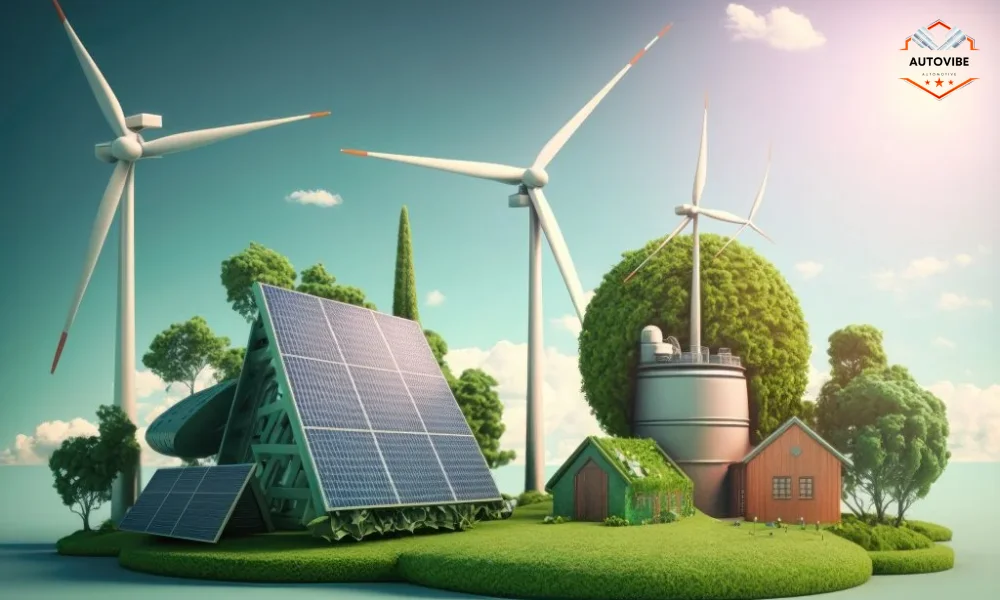
As the world grapples with the escalating effects of climate change, the push for renewable energy sources has never been more urgent. This transition from fossil fuels to sustainable energy alternatives is critical not only for environmental conservation but also for achieving energy independence and economic stability. In this article, we will explore the various types of renewable energy, their benefits, the challenges they face, and what the future holds for this vital sector.
Understanding Renewable Energy
Renewable energy refers to energy that is generated from natural resources that are constantly replenished. Unlike fossil fuels, which are finite and contribute to greenhouse gas emissions, renewable energy sources are sustainable and have a much lower environmental impact. The main types of renewable energy include:
1. Solar Energy
Solar energy harnesses the power of the sun through photovoltaic cells, which convert sunlight into electricity. It is one of the most widely used forms of renewable energy due to its accessibility and scalability. With advancements in technology, solar panels have become more efficient and affordable, making it a popular choice for both residential and commercial applications.
2. Wind Energy
Wind energy is generated by converting the kinetic energy of wind into electricity using turbines. This form of renewable energy has seen significant growth in recent years, particularly in regions with favorable wind conditions. Wind farms, both onshore and offshore, play a crucial role in the global energy landscape by providing clean electricity to millions of homes.
3. Hydropower
Hydropower utilizes the energy of flowing or falling water to generate electricity. It is one of the oldest and most established forms of renewable energy. Hydropower plants can range from large dams to small run-of-the-river systems, providing reliable and consistent energy. However, environmental concerns related to ecosystem disruption and water usage must be carefully managed.
4. Biomass Energy
Biomass energy is derived from organic materials, such as plants and animal waste. Through processes like combustion, anaerobic digestion, and fermentation, biomass can be converted into electricity, heat, or biofuels. This form of renewable energy contributes to waste reduction and can provide a steady energy supply when managed sustainably.
5. Geothermal Energy
Geothermal energy harnesses heat from beneath the Earth’s surface to generate electricity or provide direct heating. This reliable and constant source of energy is particularly beneficial in regions with volcanic activity or hot springs. Geothermal plants have a smaller land footprint compared to other renewable energy sources and can operate continuously, providing base-load power.
The Benefits of Renewable Energy
The transition to renewable energy offers numerous advantages:
1. Environmental Sustainability
One of the primary benefits of renewable energy is its ability to significantly reduce greenhouse gas emissions. By decreasing our reliance on fossil fuels, we can mitigate climate change and improve air quality. Renewable energy sources are essential for creating a sustainable future and protecting biodiversity.
2. Energy Independence
Investing in renewable energy allows countries to reduce their dependence on imported fossil fuels. This energy independence enhances national security and stabilizes energy prices. By utilizing local resources, nations can create jobs and foster economic growth within their communities.
3. Economic Opportunities
The renewable energy sector is a rapidly growing industry, creating millions of jobs worldwide. From manufacturing solar panels to installing wind turbines, the potential for employment in renewable energy is vast. Furthermore, investment in this sector can stimulate local economies and drive technological innovation.
4. Long-term Cost Savings
While the initial investment in renewable energy technologies can be high, the long-term cost savings are substantial. Once installed, solar panels and wind turbines have low operating costs and can produce electricity at a fraction of the price of fossil fuels. Additionally, renewable energy sources are less susceptible to market volatility.
The Challenges Facing Renewable Energy
renewable energy faces several challenges that must be addressed for widespread adoption:
1. Intermittency and Reliability
Many renewable energy sources, such as solar and wind, are dependent on weather conditions. This intermittency can lead to reliability issues, especially during periods of low production. Developing effective energy storage solutions and diversifying energy sources are crucial to overcoming this challenge.
2. Infrastructure Limitations
Transitioning to renewable energy requires significant investments in infrastructure, including transmission lines, storage facilities, and smart grid technologies. Upgrading existing systems to accommodate renewable energy sources can be costly and time-consuming, posing a barrier to progress.
3. Initial Costs
The upfront costs of renewable energy technologies can be prohibitive for some consumers and businesses. Although prices for solar panels and wind turbines have declined, financing options and government incentives are essential to make these technologies accessible to a broader audience.
4. Policy and Regulatory Challenges
The growth of the renewable energy sector is often influenced by government policies and regulations. Inconsistent policies can create uncertainty for investors and developers. Establishing clear and supportive regulatory frameworks is crucial for fostering the growth of renewable energy.
The Future of Renewable Energy
The future of renewable energy is promising, with several key trends expected to shape the industry:
1. Technological Advancements
Continuous innovation in renewable energy technologies will drive efficiency and lower costs. Breakthroughs in energy storage, such as advanced battery technologies, will enhance the reliability of solar and wind energy, making them more competitive with fossil fuels.
2. Decentralized Energy Production
The rise of decentralized energy systems, such as community solar projects and microgrids, empowers individuals and local communities to generate their own electricity. This shift allows for greater energy resilience and reduces reliance on centralized power plants.
3. Increased Policy Support
As climate change becomes a more pressing issue, governments worldwide are likely to implement more aggressive policies supporting renewable energy. This includes increased funding for research, tax incentives for consumers, and regulations that favor clean energy development.
4. Global Cooperation
The global nature of climate change necessitates international collaboration in advancing renewable energy solutions. Countries will need to work together to share technologies, develop best practices, and finance projects that promote sustainable energy development worldwide.
Conclusion
The transition to renewable energy is not just an environmental necessity; it is an opportunity for economic growth and energy independence. As we continue to harness the power of nature for our energy needs, we must address the challenges that lie ahead to fully realize the potential of renewable energy sources. With advancements in technology, supportive policies, and global cooperation, we can build a sustainable energy future that benefits both the planet and its inhabitants.
Written by: Felipe Bueno