






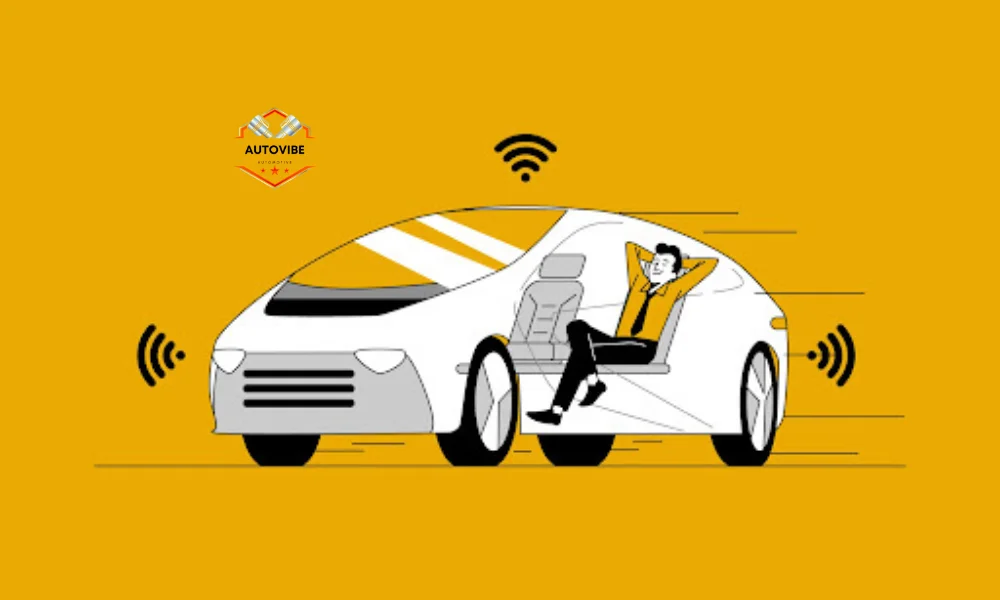
The world of transportation is undergoing a significant transformation, driven by advancements in technology and an increasing focus on sustainability. Autonomous vehicles, commonly known as self-driving cars, are at the forefront of this revolution, promising to redefine how we travel. In this article, we will explore the current state of autonomous vehicle technology, its potential benefits and challenges, and what the future holds for this groundbreaking innovation in the automotive industry.
Understanding Autonomous Vehicles
Autonomous vehicles refer to cars and trucks that are capable of navigating and operating without human intervention. These vehicles utilize a combination of sensors, cameras, artificial intelligence (AI), and machine learning algorithms to perceive their surroundings and make driving decisions. The technology is typically classified into five levels of automation, ranging from Level 0 (no automation) to Level 5 (full automation). Understanding these levels is crucial for grasping the current capabilities and future potential of self-driving cars.
Levels of Automation
Level 0 represents vehicles that do not have any automated driving features. Level 1 includes basic driver assistance features, such as adaptive cruise control. Level 2 allows for partial automation, where the vehicle can control both steering and acceleration/deceleration under certain conditions. Level 3 is conditional automation, where the vehicle can manage most driving tasks but requires human intervention in complex situations. Levels 4 and 5 represent high and full automation, respectively, with Level 5 vehicles capable of handling all driving tasks in all environments without human input.
The Technology Behind Autonomous Vehicles
The technology that enables self-driving cars is a complex integration of various systems and components. Key elements include:
1. Sensors and Cameras
Autonomous vehicles are equipped with a variety of sensors and cameras that help them gather data about their environment. These include LIDAR (Light Detection and Ranging), radar, and ultrasonic sensors. LIDAR creates a 3D map of the vehicle’s surroundings, allowing it to detect obstacles, road markings, and other critical information needed for navigation.
2. Artificial Intelligence and Machine Learning
At the heart of autonomous driving technology is artificial intelligence. Machine learning algorithms process data from the sensors to help the vehicle make informed decisions. This technology allows the vehicle to learn from its experiences, improving its ability to navigate complex environments over time.
3. Connectivity
Many autonomous vehicles are equipped with vehicle-to-everything (V2X) communication capabilities. This technology enables the vehicle to communicate with other vehicles, infrastructure, and even pedestrians, enhancing safety and efficiency. V2X communication is vital for optimizing traffic flow and reducing accidents.
Benefits of Autonomous Vehicles
The rise of self-driving cars brings several potential benefits that could significantly impact society:
1. Enhanced Safety
One of the primary goals of autonomous vehicles is to reduce accidents caused by human error. According to the National Highway Traffic Safety Administration (NHTSA), 94% of serious crashes are attributed to human factors. By removing the human element, self-driving technology has the potential to decrease the number of accidents on the roads significantly.
2. Increased Accessibility
Autonomous vehicles could provide mobility solutions for individuals who are unable to drive, such as the elderly and disabled. By offering a safe and reliable means of transportation, self-driving cars can enhance the quality of life for many people, giving them access to essential services, social activities, and independence.
3. Reduced Traffic Congestion
Self-driving cars have the potential to optimize traffic flow by communicating with each other and the surrounding infrastructure. This connectivity can lead to better traffic management, reducing congestion and improving travel times. Studies have shown that autonomous vehicles could decrease traffic congestion by up to 30% in urban areas.
4. Environmental Benefits
By promoting the use of electric autonomous vehicles, we can further reduce greenhouse gas emissions and reliance on fossil fuels. Many self-driving cars are being developed with electric powertrains, which, combined with efficient driving algorithms, can lead to significant reductions in overall energy consumption and pollution.
Challenges Facing Autonomous Vehicles
Despite the numerous benefits, the widespread adoption of autonomous vehicles also faces several challenges that need to be addressed:
1. Regulatory Hurdles
The regulatory landscape for self-driving cars is still evolving. Policymakers must create comprehensive regulations that address safety, liability, and insurance concerns. Different states and countries have varying laws governing autonomous vehicles, which can create complications for manufacturers and consumers alike.
2. Technological Limitations
While the technology behind autonomous vehicles is advancing rapidly, it is not without limitations. Self-driving cars may struggle in inclement weather conditions, such as heavy rain or snow, where visibility is compromised. Additionally, complex urban environments with unpredictable human behavior can pose challenges for autonomous driving systems.
3. Public Perception and Acceptance
Public perception of self-driving cars plays a crucial role in their adoption. Many individuals are hesitant to trust autonomous technology due to concerns about safety and reliability. Overcoming these fears will require extensive education and public awareness campaigns to demonstrate the safety and benefits of autonomous vehicles.
Future Outlook for Autonomous Vehicles
The future of autonomous vehicles is promising, with continued investments in research and development driving innovation. As technology advances and regulatory frameworks are established, we can expect to see more self-driving cars on the road. Some key trends to watch in the coming years include:
1. Increased Collaboration
Partnerships between automakers, technology companies, and government agencies will be crucial in advancing autonomous vehicle technology. Collaborative efforts can lead to the development of standardized regulations, improved infrastructure, and enhanced safety measures.
2. Expansion of Autonomous Mobility Services
Ride-sharing and autonomous taxi services are likely to become more prevalent as technology improves. Companies like Waymo, Uber, and Lyft are already exploring these models, offering consumers a convenient and affordable alternative to traditional transportation options. As these services expand, they will reshape urban mobility and reduce the need for personal vehicle ownership.
3. Continuous Technological Advancements
As AI and machine learning technologies continue to evolve, we can expect autonomous vehicles to become more capable and reliable. Advances in sensor technology, data processing, and connectivity will enhance the overall performance of self-driving cars, making them safer and more efficient.
Conclusion
The emergence of autonomous vehicles marks a significant milestone in the automotive industry. As technology continues to evolve and regulations adapt, self-driving cars are set to revolutionize how we travel. With the potential to enhance safety, increase accessibility, reduce traffic congestion, and promote environmental sustainability, the future of autonomous vehicles is bright. However, addressing the challenges and ensuring public acceptance will be crucial in realizing the full potential of this groundbreaking innovation. The journey towards widespread adoption of autonomous vehicles is just beginning, and it promises to reshape our roads and cities for years to come.
Written by: Felipe Bueno