






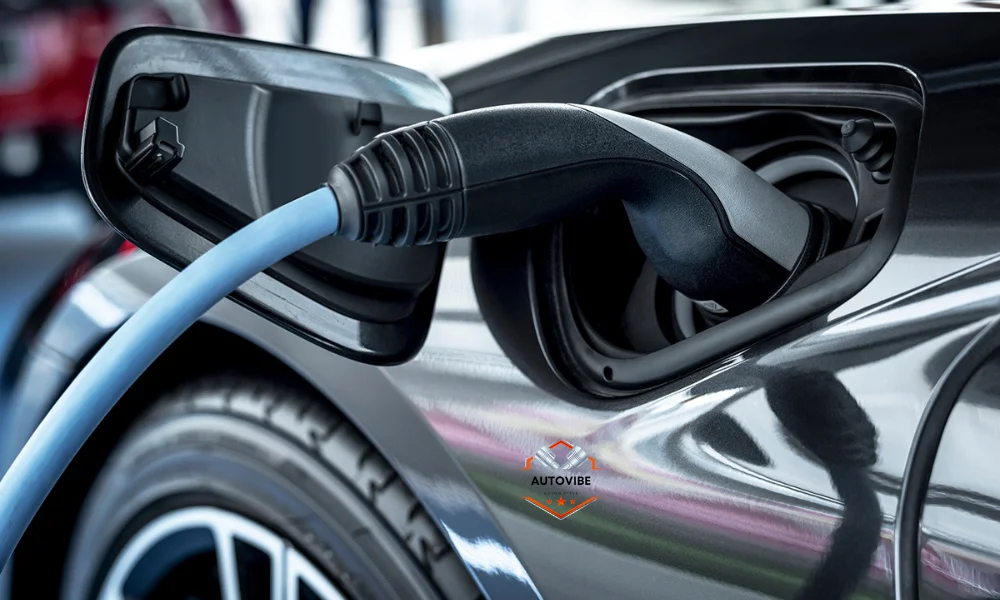
As concerns over climate change and air pollution grow, the automotive industry is undergoing a significant transformation. The rise of electric vehicles (EVs) marks a pivotal shift toward a more sustainable and environmentally friendly mode of transportation. This article will delve into the various aspects of electric vehicles, including their benefits, challenges, technologies, and the future of sustainable transportation.
The Evolution of Electric Vehicles
The history of electric vehicles dates back to the 19th century, with early models emerging as alternatives to steam and gasoline-powered cars. However, it wasn’t until the late 20th century that interest in EVs began to resurface, driven by advancements in battery technology and increasing awareness of environmental issues. Today, electric vehicles represent a significant portion of the automotive market, with major manufacturers investing heavily in their development.
The Technology Behind Electric Vehicles
At the core of electric vehicles is the battery technology, which has seen remarkable advancements over the past few decades. Modern EVs primarily use lithium-ion batteries, known for their high energy density and long lifespan. These batteries store electrical energy generated from various sources, including renewable energy, and power the vehicle’s electric motor.
In addition to batteries, other key technologies contributing to the efficiency and performance of electric vehicles include:
1. Regenerative Braking
Regenerative braking is a system that captures the energy usually lost during braking and redirects it back into the battery. This technology enhances the overall efficiency of electric vehicles, allowing for extended range and reduced energy consumption.
2. Electric Motors
The heart of an electric vehicle is its electric motor, which converts electrical energy into mechanical energy. Electric motors offer instant torque and smooth acceleration, providing a driving experience that is often superior to traditional internal combustion engines.
3. Charging Infrastructure
The development of a robust charging infrastructure is crucial for the widespread adoption of electric vehicles. Charging stations can be found in various locations, including homes, workplaces, and public spaces. Innovations such as fast chargers and wireless charging technology continue to enhance the convenience of owning an EV.
The Environmental Benefits of Electric Vehicles
Transitioning to electric vehicles offers numerous environmental benefits that contribute to a more sustainable future:
1. Reduced Greenhouse Gas Emissions
One of the most significant advantages of electric vehicles is their potential to reduce greenhouse gas emissions. When powered by renewable energy sources, EVs can operate with virtually zero emissions, significantly lowering the carbon footprint associated with transportation.
2. Improved Air Quality
Electric vehicles produce no tailpipe emissions, which helps improve air quality, especially in urban areas. By reducing harmful pollutants such as nitrogen oxides and particulate matter, EVs contribute to healthier communities and ecosystems.
3. Energy Efficiency
Electric vehicles are more energy-efficient than traditional gasoline or diesel vehicles. While internal combustion engines convert only about 20% of the fuel’s energy into movement, electric motors can achieve efficiencies exceeding 90%. This efficiency translates to lower energy consumption and reduced reliance on fossil fuels.
The Economic Advantages of Electric Vehicles
In addition to environmental benefits, electric vehicles also present economic advantages:
1. Lower Operating Costs
Electric vehicles generally have lower operating costs compared to conventional vehicles. With fewer moving parts and reduced maintenance requirements, EVs are less expensive to maintain over time. Additionally, electricity is often cheaper than gasoline, leading to savings on fuel costs.
2. Government Incentives
Many governments around the world offer incentives to encourage the adoption of electric vehicles. These incentives can include tax credits, rebates, and grants, making EVs more affordable for consumers. Some regions also provide benefits such as access to carpool lanes and exemptions from tolls.
3. Job Creation in the Green Economy
The growth of the electric vehicle market stimulates job creation in various sectors, including manufacturing, research and development, and charging infrastructure. As demand for EVs rises, so does the need for skilled workers to support this burgeoning industry.
The Challenges Facing Electric Vehicles
Despite their many benefits, electric vehicles face several challenges that must be addressed for broader adoption:
1. Range Anxiety
Range anxiety, or the fear of running out of battery power before reaching a charging station, remains a significant concern for potential EV buyers. Although advancements in battery technology have increased the range of many electric vehicles, the perception that they cannot travel as far as gasoline-powered cars persists.
2. Charging Infrastructure Limitations
The availability of charging stations is crucial for the widespread adoption of electric vehicles. While the number of charging stations is steadily increasing, gaps in charging infrastructure can deter potential EV buyers, particularly in rural areas. Expanding the charging network and improving accessibility are essential for overcoming this barrier.
3. Initial Costs
While the total cost of ownership for electric vehicles is often lower, the initial purchase price can be higher than that of conventional vehicles. This upfront cost can be a barrier for many consumers, particularly those on a tight budget. Continued advancements in technology and increased competition in the market are expected to drive down costs over time.
The Future of Electric Vehicles
The future of electric vehicles looks promising, with several trends shaping the industry:
1. Advancements in Battery Technology
Ongoing research in battery technology aims to enhance energy density, reduce charging times, and lower costs. Innovations such as solid-state batteries and alternative chemistries hold the potential to revolutionize the electric vehicle market by providing longer ranges and improved safety.
2. Expansion of Charging Networks
The expansion of charging infrastructure is vital for supporting the growth of electric vehicles. Collaborations between governments, private companies, and utility providers will accelerate the development of a robust charging network, making it easier for EV owners to charge their vehicles.
3. Integration with Renewable Energy
Electric vehicles can play a significant role in the transition to a renewable energy future. By charging during off-peak hours or when renewable energy is abundant, EVs can help balance the grid and reduce reliance on fossil fuels. This integration offers the potential for a cleaner and more efficient energy system.
4. Autonomous Electric Vehicles
The development of autonomous electric vehicles is on the horizon, combining two of the most transformative trends in the automotive industry. These self-driving EVs could revolutionize transportation, offering enhanced safety, efficiency, and accessibility.
Conclusion
The rise of electric vehicles represents a critical step toward sustainable transportation. With numerous environmental and economic benefits, EVs have the potential to reshape the automotive landscape and contribute to a cleaner, healthier planet. As technology continues to evolve and challenges are addressed, the future of electric vehicles looks bright, paving the way for a more sustainable and efficient transportation system.
Written by: Felipe Bueno