






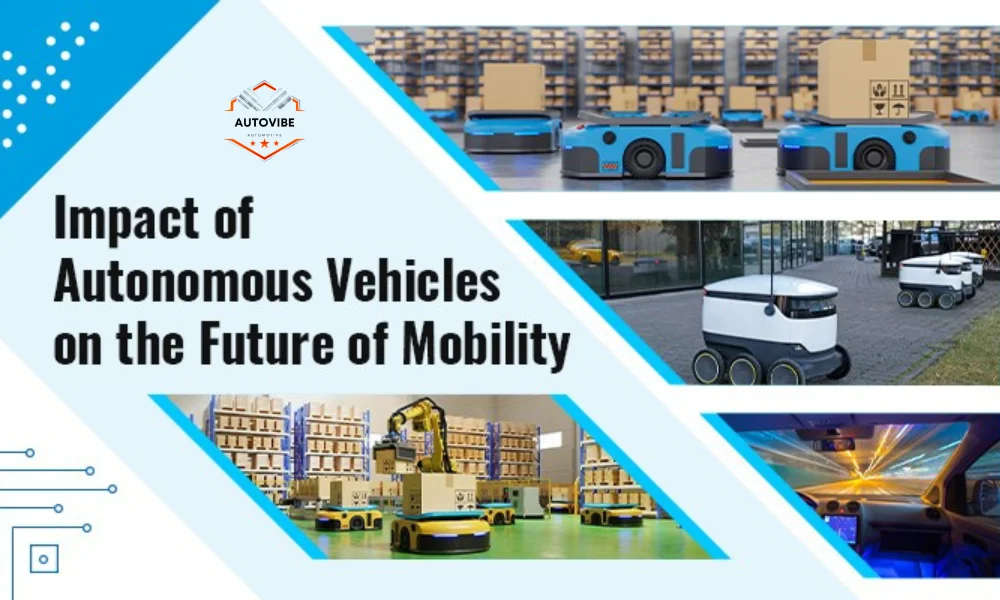
The rise of autonomous vehicles (AVs) marks a revolutionary shift in the way people and goods move. With advancements in artificial intelligence and machine learning, self-driving cars are no longer a futuristic dream but an emerging reality. Leading companies like Waymo, Tesla, and Uber are at the forefront of this transformation, introducing autonomous solutions that promise safer roads, more efficient transportation systems, and a reduction in environmental impact. As the world adapts to this new era, understanding the potential impact of autonomous vehicles is essential.
The Technology Behind Autonomous Vehicles
Autonomous cars rely on a combination of cutting-edge technologies that enable them to navigate roads without human intervention. These vehicles are equipped with:
- LiDAR sensors: Used to detect objects and create a 3D map of the car’s environment.
- Radar systems: Help measure the speed and distance of surrounding objects.
- Computer vision: Cameras analyze road signs, traffic signals, and pedestrians.
- Artificial intelligence algorithms: Power the decision-making capabilities of the vehicle, ensuring safe navigation.
Additionally, vehicle-to-vehicle (V2V) and vehicle-to-infrastructure (V2I) communication systems play a crucial role, allowing cars to exchange information with each other and with road infrastructure to optimize traffic flow and enhance safety.
Benefits of Autonomous Vehicles
The shift to autonomous transportation offers several significant benefits that will reshape the future of mobility:
- Reduced traffic accidents: Studies show that human error is responsible for over 90% of road accidents. AVs are expected to reduce these incidents significantly by eliminating driver-related mistakes.
- Increased accessibility: Autonomous cars offer mobility solutions for the elderly and disabled, improving independence and quality of life.
- Optimized traffic flow: With intelligent systems managing traffic, congestion will decrease, resulting in shorter travel times and less fuel consumption.
- Environmental impact: The integration of electric AVs will reduce greenhouse gas emissions, contributing to global sustainability efforts.
Challenges Facing Autonomous Vehicles
Despite the numerous advantages, there are challenges to overcome before self-driving cars become mainstream:
- Regulatory frameworks: Governments need to develop comprehensive policies and safety standards for AVs.
- Public trust: Building trust in driverless technology is essential for widespread adoption. Concerns about safety and privacy must be addressed.
- Infrastructure upgrades: Cities will need to invest in smart infrastructure to support autonomous vehicles.
- Cybersecurity risks: Protecting AV systems from potential hacking is critical to ensure safety and prevent misuse.
Impact on Various Sectors
The advent of autonomous vehicles will disrupt multiple industries, offering new opportunities and challenges:
Public Transportation
Driverless buses and shuttles will revolutionize public transit, offering on-demand services and reducing operational costs. This shift will make public transportation more accessible and efficient.
Logistics and Delivery
Autonomous trucks and drones will streamline logistics, making deliveries faster and more cost-effective. Companies like Amazon and UPS are already testing autonomous delivery solutions.
Urban Planning
The rise of AVs will impact city planning, with a reduced need for parking spaces and new opportunities to repurpose urban areas for green spaces and pedestrian zones.
Insurance Industry
As accident rates decline, insurance models will need to evolve. Insurers may shift from personal auto insurance to product liability policies focused on manufacturers.
The Future of Autonomous Vehicles
The development of autonomous vehicles is a key part of the future of smart mobility. Innovations such as solid-state batteries, vehicle-to-grid (V2G) technology, and artificial intelligence will further enhance the capabilities of AVs. Governments worldwide are investing in infrastructure to support this transition, and consumers are gradually warming up to the idea of driverless transportation.
While challenges remain, the benefits of autonomous vehicles make them a crucial component of the future of mobility. With continuous advancements in technology and policy frameworks, AVs will soon become an integral part of everyday life.
Conclusion
The rise of autonomous vehicles marks a new era in transportation. With the potential to reduce accidents, improve accessibility, and minimize environmental impact, the adoption of self-driving cars will transform the way we move. As technology advances and infrastructure evolves, the vision of a future with driverless cars is becoming increasingly achievable. The journey toward a safer, more efficient, and sustainable future has already begun.
Written by: Felipe Bueno